
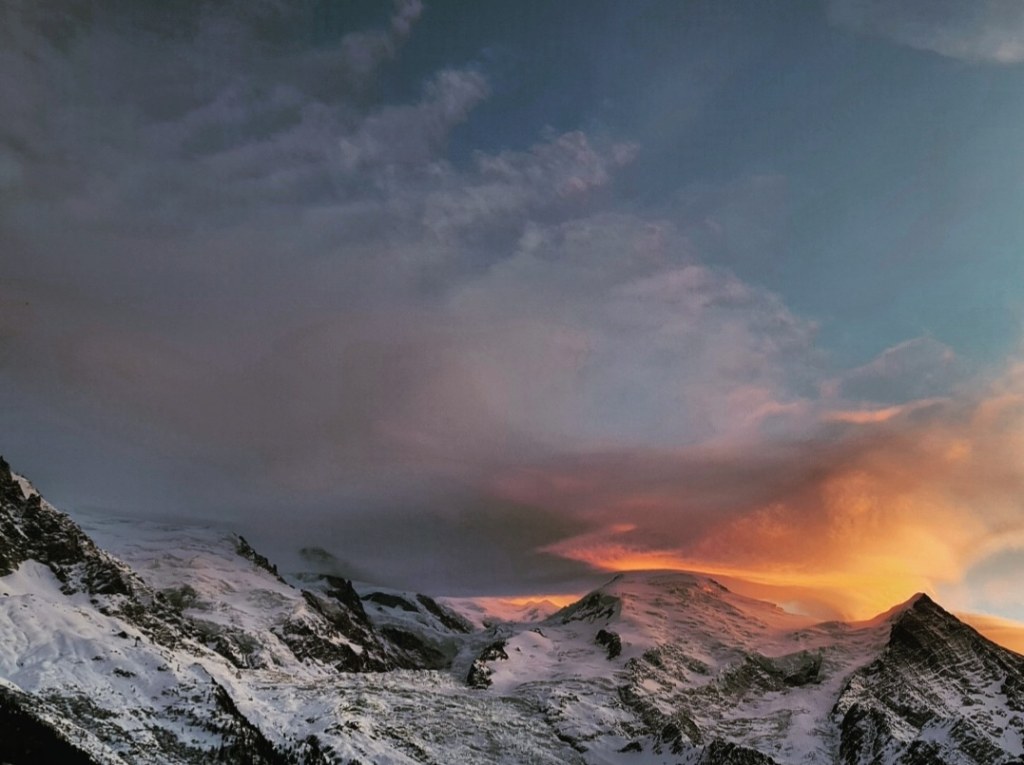
To say that extreme sports are all about adrenaline is ignorance. If you’ve never climbed a physically and mentally demanding route or skied a steep couloir you don’t know the ultimate freedom from day-to-day worries they give access to. Moreover, even if you do those sports quite regularly, chances are you are still not fully aware of the mechanisms behind them and their impact on your life. I have certainly fallen into the second category for years. This article is an invitation to an open conversation. It is an attempt to understand our need for those euphoric highs.
We lead complicated lives and tend to simplify and dismiss things to get by. If something feels good why dissect that joy? As a result, we develop laziness towards further knowledge that could help us achieve fulfillment and instead spend our years chasing desires. The worry is that we might be stealing, those jolts of excitement and relief, from tomorrow’s well-being. I sense that, deep down, most of us yearn to live in a more peaceful heaven and the highs we strive for are only to soothe that awareness of a paradise lost.
 “Oh, please, baby. This body was made to be exploited! I got the arms, I got the stamina, I got the legs, I got the lung capacity.” ―Angel Dust from Hazbin Hotel.
The climbing community has long romanticised reckless characters comparable to tormented artists. We like to think there is a shortcut to a meaningful and satisfying existence. All we need to do is care even less. Luck sounds easier than mastery, control and responsibility, which we dismiss as boring because they require effort. Outdoor apparel advertising slogans like “nothing else matters”, seem to use those weaknesses in our evolution to sell clothes by simply playing on our dopamine and internal opioid systems. Opioids?! You probably heard of the dopamine and endorphins released during exercise and their effect on your behaviour. What happens in our brains is far more complex and other-worldly.
Our body releases several chemicals called neurotransmitters. Those control your mood and motivation. Some of them act also as hormones having a further impact on your body function and health. Hormones can influence mood, energy, health, reaction times, strength, and decision-making. Neurotransmitters are also responsible for reinforcing behaviours which in extreme cases can lead to addictions. In no time, neurotransmitter knowledge got me hooked! Accessible medical articles about them are abundant. To save you research time, I’ve compiled a short list of the ones I found relevant to my beloved lifestyle in Chamonix (the capital of European Alpinism). Although the below descriptions are based on medical publications, I must emphasise that I have no official academic medical training. So read at your own risk!
First what I think of as “The Ups”
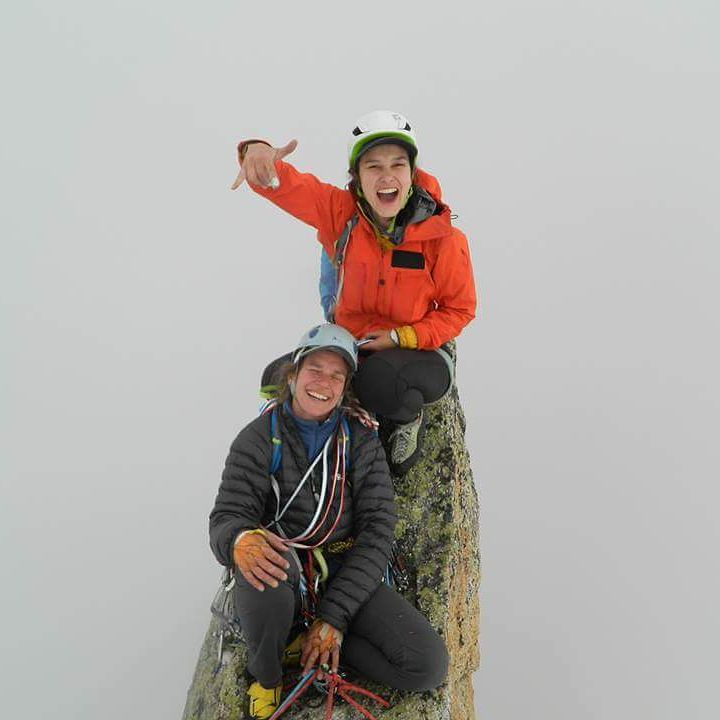
Those neurotransmitters motivate certain behaviours by making them feel good. They are all released during exercise in general:
Dopamine – makes us feel happy, and gives us a feeling of reward, accomplishment and pleasure. It affects our focus and concentration.
Serotonin – hugely affects mood swings and happiness.
It aids learning and has an impact on our memory. It also regulates body temperature, sleep, sexual behaviour and hunger.
Oxytocin – affects who we trust and accept. It influences sexual arousal and relationship building.
Glutamate – important for our memory, cognition and of course mood regulation.
GABA – known for producing a calming effect. It’s thought to play a major role in controlling anxiety, stress and fear.
It also improves sleep.
Histamine – is released during goal-directed actions and results in an increase in behavioural and vegetative arousal and a decrease in the drive to consume, which allows the optimal progression of motivated behaviour.
Second what I like to call “The Downs”
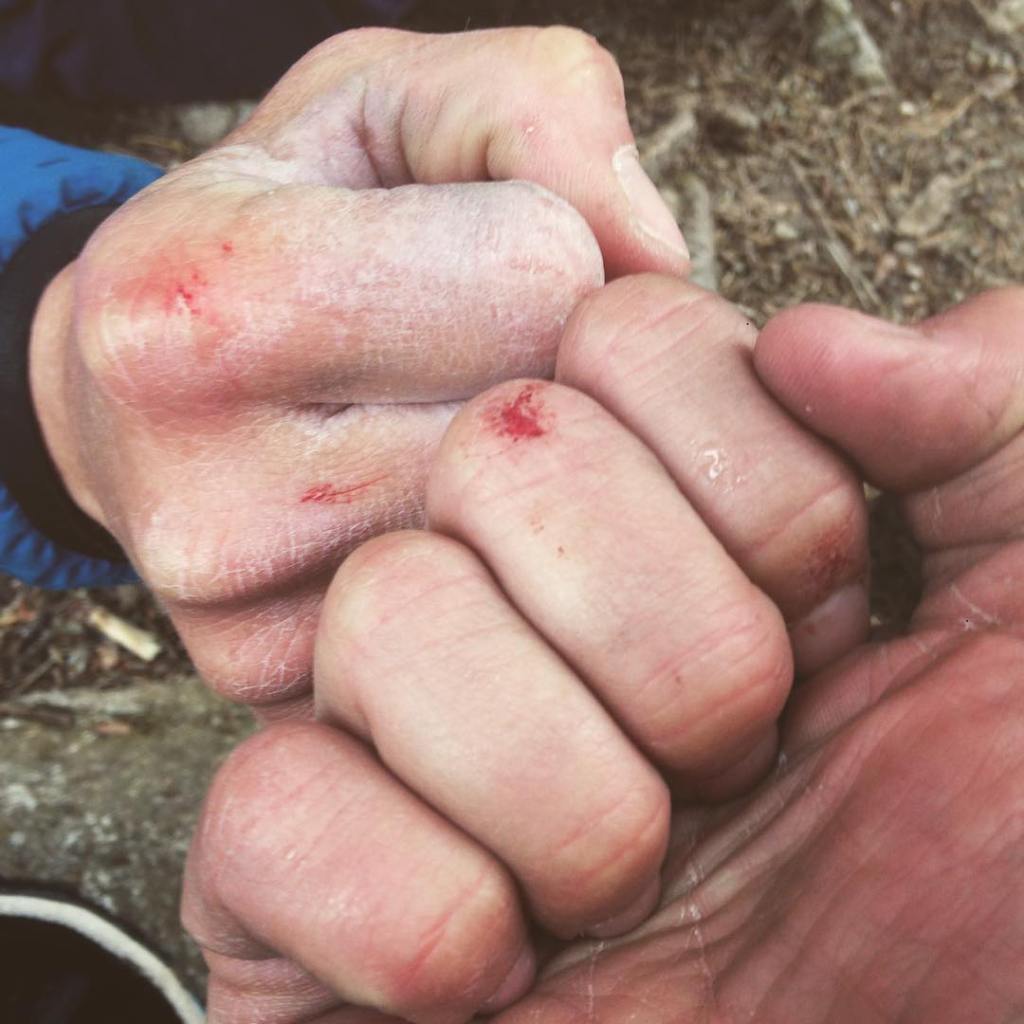
Those motivate behaviours by stressing you to fight for your life or numbing your pain to keep you going. All released when the sport becomes extreme physically and mentally:
Epinephrine – also known as adrenaline – stimulates your body’s response to stress and danger by increasing your heart rate, breathing, blood pressure, blood sugar and blood flow to your muscles. It heightens attention and focus allowing you to act or react to different stressors.
Norepinephrine – also known as noradrenaline – influences our alertness, arousal, decision-making, attention and focus.
Cortisol – the third stress hormone released along with adrenaline and noradrenaline. It affects your metabolism, blood pressure and sugar levels, suppresses inflammation and controls your sleep-wake cycle.
Endorphin – Internal opioid – is an inhibitory neurotransmitter, meaning it blocks other signals from occurring. Specifically, endorphins block pain signals.
No wonder we are buzzing with all those chemicals rushing into our brains. To understand their effect here is a simple example. In climbing, the “up” neurotransmitters are the ones that, make you feel good about it and motivate you to do it again. The “down” neurotransmitters help you fight through a crux section on a route, as you feel powerful and focused and don’t feel pain.
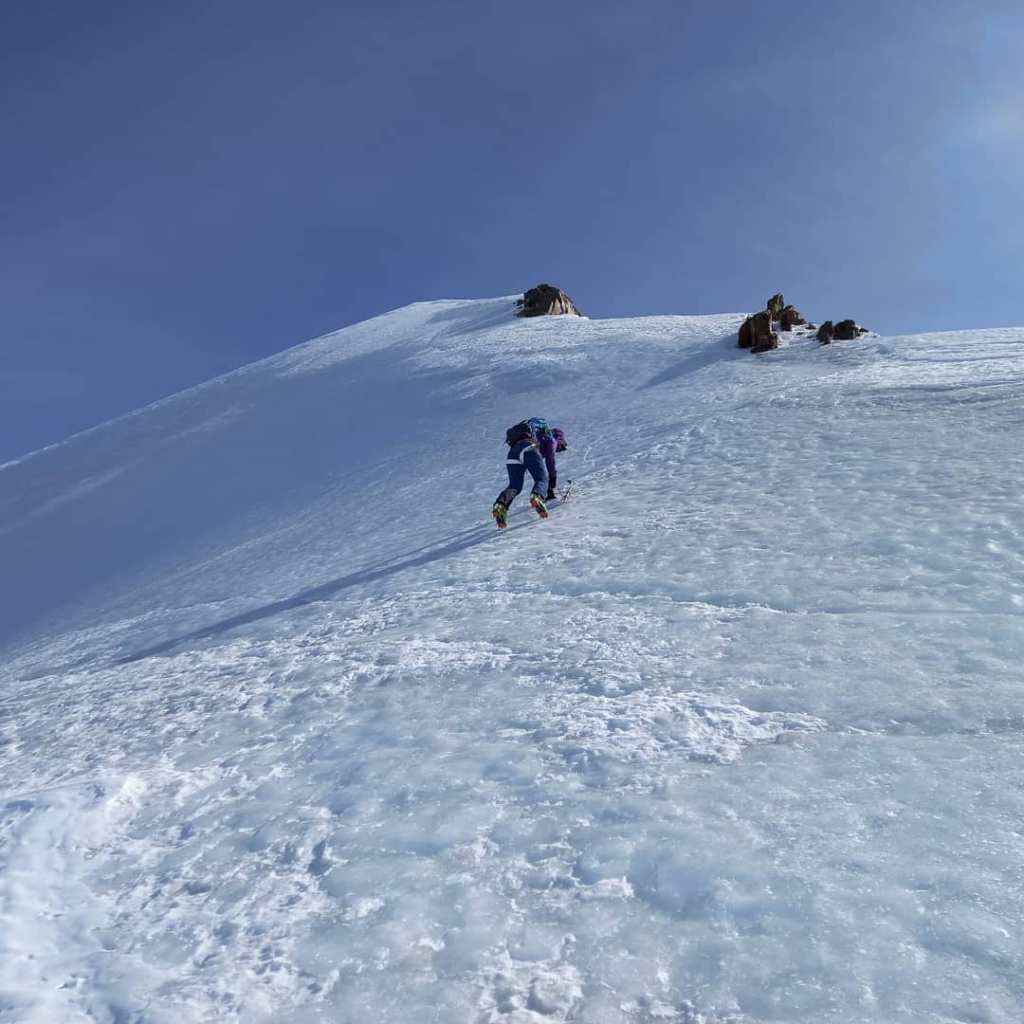
We are all sensitive to irregularities in the levels of the mentioned chemicals. Conditions like ADHD, anxiety and depression are all associated with them. The cause of those imbalances is a wider subject and can be both internal and external. The important thing is that low levels of those life motivators make you seek external sources of them. For example, alcohol increases the dopamine and serotonin levels. Temporarily it makes you less anxious. Long-term drinking, however, can lower levels of both these neurotransmitters as well as lower blood sugar and increase dehydration, leading to worse anxiety. Like scratching a wound to relieve the itch, things get only worse. I won’t be expanding on substance abuse here but if you are interested in further reading, I recommend an excellent book called “In The Realm of Hungry Ghosts” by Doctor Gabor Mate.
Back to “extreme” sports then and the exhilarating feeling they give that soothes emotions, gives life meaning and makes us feel accepted by a community. Surely this is a good addiction as far as they go right? As long as you are not harming anyone then it is ok? Well depends. Let’s take the definition of addiction – harming others and self, and having an urge to do it even when it no longer brings joy. I wish this did not call to mind my behaviour and those around me. I wish I could say that if something bad happened to me this would not hurt and impact my friends and family. I am also sure you had moments in the mountains when you did not enjoy it.
I am ready to believe someone might think this is what they want in a given situation. Until recently I had a similar outlook and could not understand why people wouldn’t accept that I know the risk but was still willing to take chances. In truth, I was blind to other solutions and places to go to with what was happening inside me. The illusion of freedom, that self-determination used to lure me with, came with physical, emotional and financial lows and dependence. Looking back I am lucky I did not hurt myself and learned what I am writing today. If only someone had told me this before instead of calling me selfish. On the other hand, I had to learn to listen and read people’s intentions in the first place.
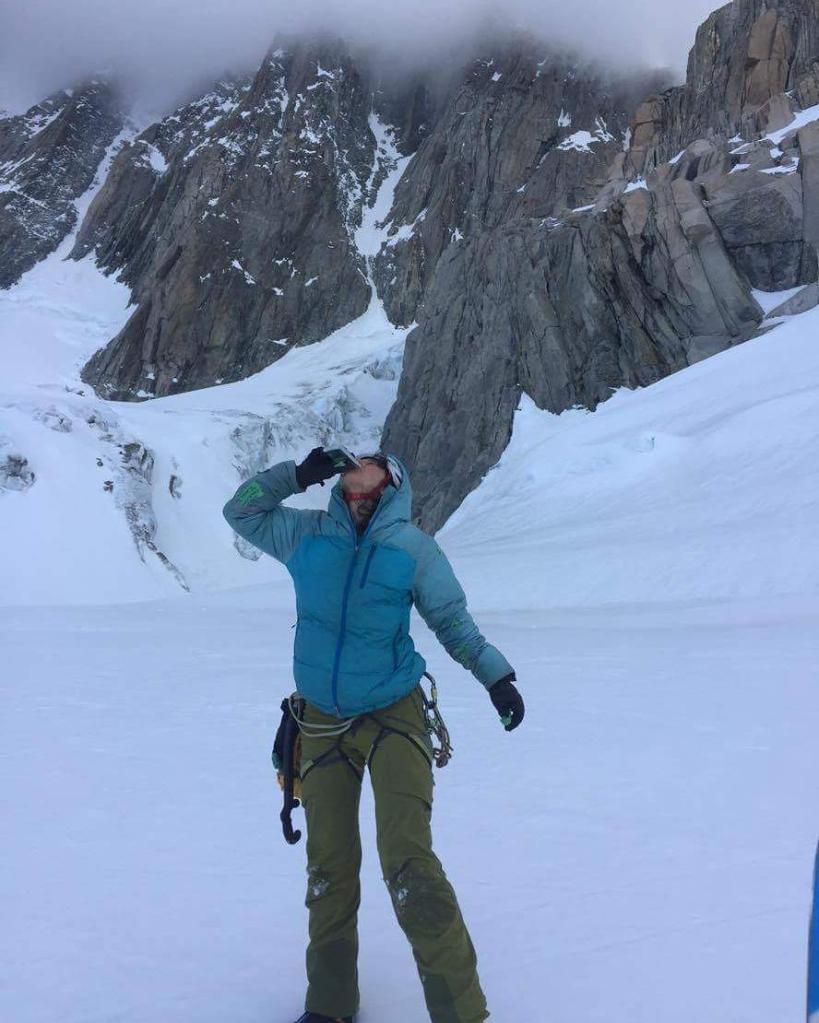
“The important thing is not to lie to yourself. He who lies to himself and listens to his lies reaches a state in which he no longer recognizes truth either in himself or in others” ― Fyodor Dostoevsky, The Brothers Karamazov
So did I give up climbing or does that mean I never have a cold beer in the summer? Hell no!
Recently I went with a friend to a gig by a local rock band. As they started playing some rage music my friend leaned over and told me “I have grown out of any such anxieties”. That was that then. She shut a door. I couldn’t tell her that I like this type of music let alone that I think I will never lose that fire that’s within me. Ironically if I wanted acceptance I had to deny who I am. Are we then doomed to be fake and unhappy or impulsive and unhealthy?
I am convinced we don’t have to choose between who we are and taking care of ourselves. Listen without judgment and don’t tell anyone how to live and you can start that with yourself. Don’t let imaginary social or self-imposed pressure detract you from the life you want. I still do the things I love and rely heavily on mood regulators like any other human. Running and sport climbing bring endorphins and plenty of good sleep serotonin. I keep artificial stimulants low so as not to build a tolerance to them where I would need more and damage my health. This means keeping alcohol consumption to a minimum. For the fear that I might like them, I’ve never taken drugs. I also don’t smoke or eat much artificial sugar. In my case, extreme alpine climbing beyond my limits was the only drug I had to recognise and withdraw from.
I still like challenges as long as I control the fire that fuels them. It is a daily choice, after which an undisturbed satisfaction, fulfillment and motivation await. I hope to keep seeing the same passion for being alive in my friends’ eyes. This requires the courage not to throw yourself down a couloir if it is too steep for your skiing level. It asks for willpower not to accept one more drink or drug that someone put in your hand that you know damn well will make you feel only worse. Whatever your story is we all deserve peace, acceptance and joy. There is a place for every unique soul the way they are. Just take care of yourself and stay around.
“Your voice was joy and pain, anger and forgiveness, love and heartache all wrapped up into one. I suppose that’s what we all are.” – Chester Bennington’s tribute to Chris Cornell
-To Those Who Left Too Soon-
References:
Several articles from the National Library of Medicine. National centre of biotechnology information and Cleveland clinic. Links below in non-alphabetical order:
https://my.clevelandclinic.org/health/articles/22618-oxytocin, Oxytocin. Accessed on 09/04/2024.
https://my.clevelandclinic.org/health/articles/22513-neurotransmitters, Neurotransmitters. Accessed on 09/04/2024.
https://my.clevelandclinic.org/health/articles/22187-cortisol, Cortisol. Accessed on 12/04/2024.
https://my.clevelandclinic.org/health/articles/22857-gamma-aminobutyric-acid-gaba, Gamma-Aminobutyric Acid (GABA)). Accessed on 09/04/2024.
https://www.ncbi.nlm.nih.gov/pmc/articles/PMC3389384/#:~:text=Histamine%20is%20released%20during%20goal,progression%20of%20a%20motivated%20behavior. Histamine and motivation. Front Syst Neurosci. 2012; 6: 51., Published online 2012 Jul 4. DOI: 10.3389/fnsys.2012.00051.
https://pubmed.ncbi.nlm.nih.gov/26911692/#:~:text=Results%20showed%20that%20the%20resonance,region%2C%20the%20anterior%20cingulate%20cortex. Acute Modulation of Cortical Glutamate and GABA Content by Physical Activity, Richard J Maddock 1, Gretchen A Casazza 2, Dione H Fernandez 3, Michael I Maddock 4. DOI: 10.1523/JNEUROSCI.3455-15.2016.
https://www.ncbi.nlm.nih.gov/pmc/articles/PMC3877159/. Oxytocin, Motivation and the Role of Dopamine, Tiffany M. Love, PhD, Published online 09/07/2013.
https://alcoholchange.org.uk/alcohol-facts/fact-sheets/alcohol-and-your-mood#:~:text=Since%20alcohol%20can%20increase%20the,dehydration%2C%20leading%20to%20worse%20anxiety. Alcohol and your mood: the highs and lows of drinking. Accessed on 09/04/2024/
https://www.sciencedirect.com/science/article/abs/pii/S0031938415301463.The effect of histamine on changes in mental energy and fatigue after a single bout of exercise. Physiology & Behavior. Volume 153, 1 January 2016, Pages 7-18. Bryan D. Loy, Patrick J. O’Connor. Available online 19/10/2015.
In The Realm of Hungry Ghosts, Gabor Maté, 2008.
The Karamazov Brothers. Fyodor Dostoevsky. A new translation by Ignat Avsey. Oxford World’s Classics, 2008.
Wikipedia, the free encyclopaedia.

![How to Focus and When to Chaos [Part II]](https://suzanaelmassri.blog/wp-content/uploads/2025/04/20230716_083613.jpg?w=1024)
![How to Focus and When to Chaos [Part I]](https://suzanaelmassri.blog/wp-content/uploads/2025/02/20250112_141419.jpg?w=1024)
 suzanaelmassri.blog
Leave a comment