
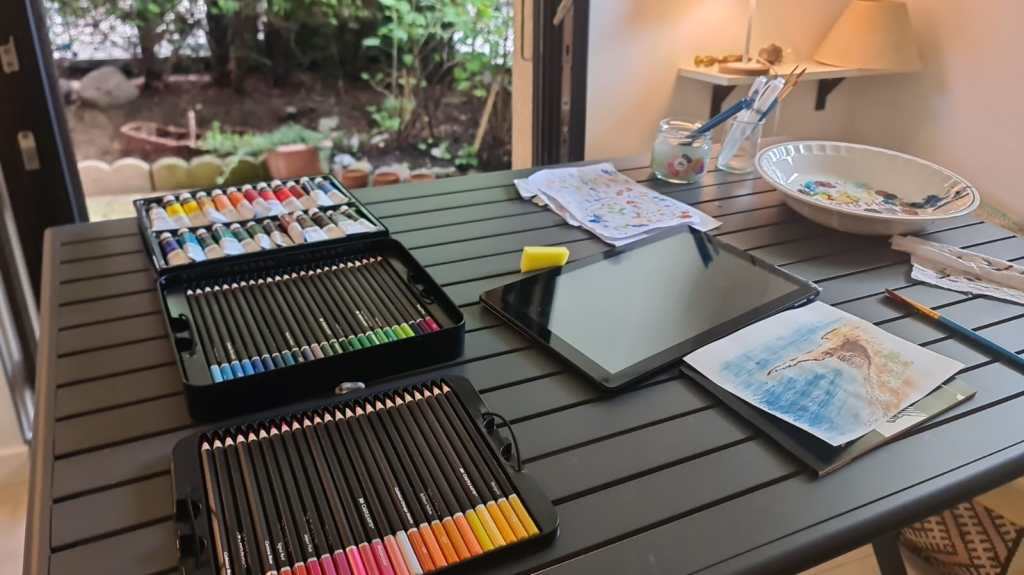
“Ohh, you could build your private bouldering wall in there”. My friend answered my message about a garage on sale that I thought of buying.
I imagined myself standing with a group of climbers in a well-lit space full of colourful holds and training tools out of Scandinavian wood. The music is blasting, there is a cooling fan and even a mini fridge with cold drinks. I would have a motorbike in there too. Ofcourse, you would not be able to fit a car in there. Then, if I bought a barn instead I could even have my own small plane like Tom Cruise in Maverick!
I laughed at the thought, but this made my eyes water and the words in the report I had in front of them blurred. Working while fighting my latest catch of some Covid or another was not fun. I needed a rest but the freedom of freelancing does not bring paid leave with it and I had a mortgage to pay. I intended to power through this with some protein bars as just I used to do in the mountains.
I had backed off epic alpinism, for the last couple of years, due to external and internal circumstances, but this brought on a bigger interest in sport climbing and bouldering. Recently, I could see the benefits of that refocus in my climbing grades. Everything felt easier and I started feeling special. My powers however left faster than they came with my first sneeze. After a few weeks of being ill, I started feeling down. What bothered me most was not the tiredness only a few hours after I just woke up or the brain fog that I was experiencing. It wasn’t the fun that came from climbing, that I missed most either. Above all, I seemed to be upset about the absence of my climbing triumphs!
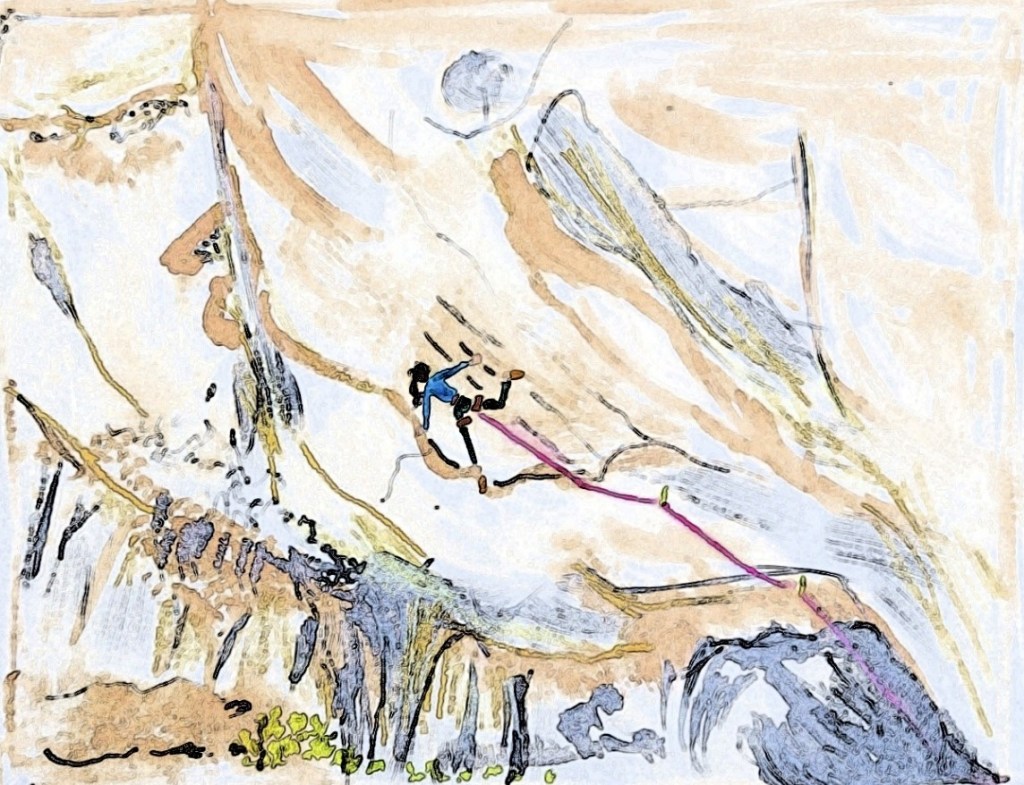
I was too confused to understand why yet, but wanted to avoid lifting my mood with buying things, for which I would need to work more. So, I reached for a book, in fact 24 of them. It was pure luck as in them laid some answers not only to my little case but the human kind in general! You probably are familiar with the Iliad from school.This epos, that is, a long poem, tells about ancient heroes and their adventures in fighting for tîmê and kleos. Which often involved piercing brains with spears, dragging corpses and insulting one another. This is where the term epic came from!
What’s more, those people had some twisted logic. They understood the tîmê they fought for as honour, but practically it was measured in the amount of goods they won in battles. Mind, it was not enough that you had a lot of tîmê, others needed to have less of it. If someone had way more than you then your honour was not quite up there and there was plenty left to aspire for. Meanwhile, kleos meant glory but literally ‘what people say about you’. By the way, someone smarter than me figured this out. I understood the above concepts, and The Iliad, through the lectures of Elizabeth Vandiver’s, a classical scholar and professor. (Link in references). Let’s take her word for it.
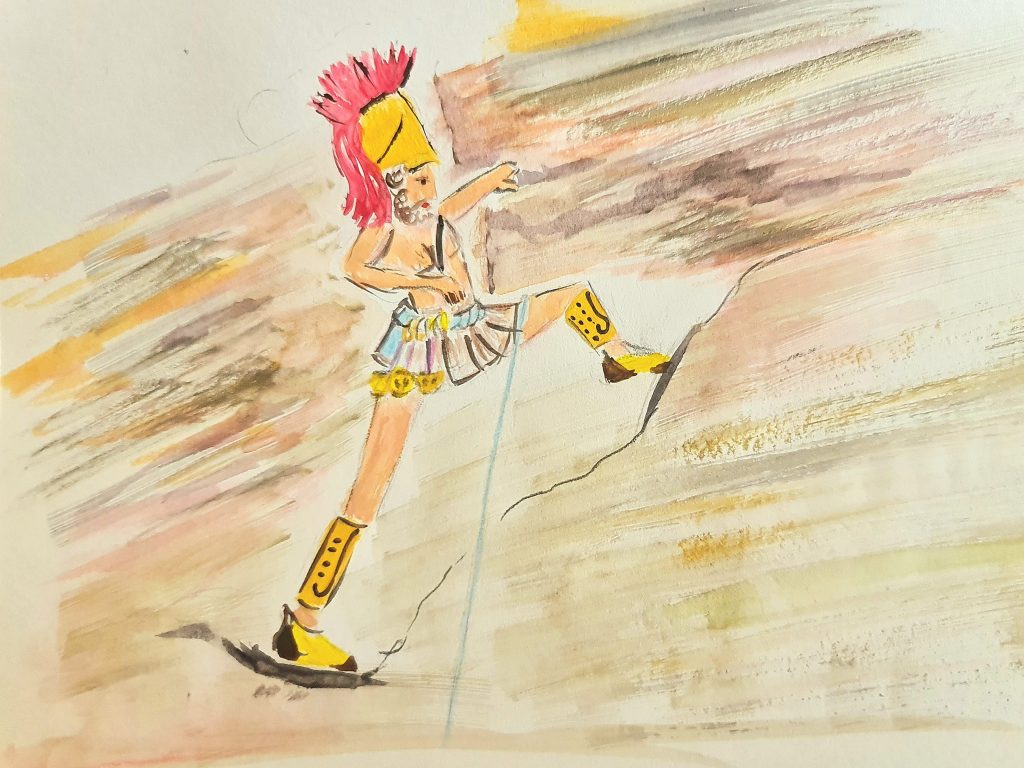
Knowing our hero friends motives, we might be quick to judge their approach to dignity as materialistic and fame-obsessed. Yet, undeniably, the leading values of our modern society, money and fame, are quite similar. The sports and adventure athletes are no exception. The “warriors” here run after sponsorship and reputation among peers, things not so different than what the ancient heroes cared about. Ironically we all agree that we should consume less but regard people who do so, as weird and naive. We worship the winners but pretend to value humbleness. Even if we might find the pursuit of material goods shallow and the desire to win immodest, it is hard not to notice the ones who followed this path and question if doing so ourselves would bring us happiness.
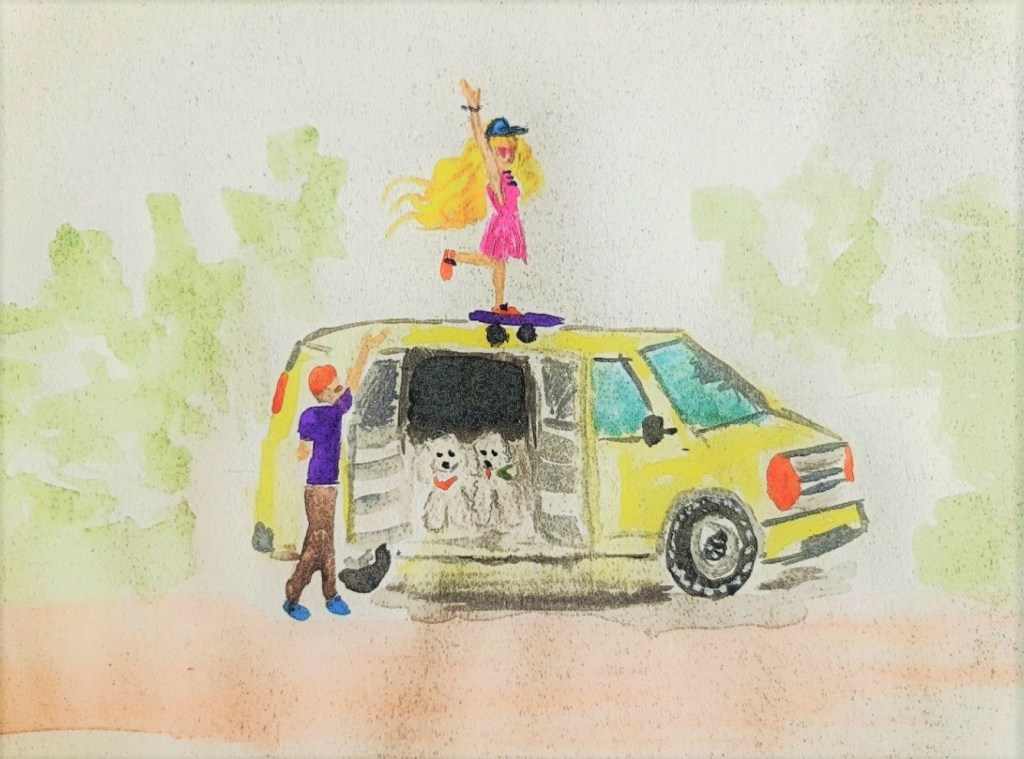
Take the climbing community for example. We label ourselves as wild, free and close to nature. Yet, we like to have plenty of gadgets on our missions. I am sure many of us want or have a converted van or indeed our own climbing wall. And if the neighbour has those things and you don’t, especially if you believe that you are the better climber, then it’s no good is it? The gods should have honoured your strengths better than that!
As the Olympic Games, just took place, it was hard not to hear about the winners there too. A friend sent me a post about a Syrian Olympic swimmer – Maitin Balsini. She probably guessed I would relate as being half Syrian and into sports. Doubtless, the guy is impressive as he pounces into the swimming pool like a leopard. I followed one internet link to another and stumbled on an interview with him in which he declared: “It’s funny but I don’t like watching sports. I don’t like just watching others win. I want to be part of it. I want to be winning.”
Undoubtedly then, goods and wins are part of our culture. In this regard, perhaps, the ancient warriors’ code was more honest about reality. Their ethos was that since they, unlike gods, must die then they should try to get wealth and reputation or die fighting for it and by that win eternal glory. What’s more, they were publicly open about that and so, it seems there was some integrity in their ways.
All right, so we want to crush grades, concur mountains and win a taste of immortality! I am not saying this is entirely wrong. Being in tune with our natural instincts is one way to deal with our need for meaning. I live by those ideas most of my time too but being part of it allows me to notice how often meaningful goals can change into a preoccupation with shiny kit or fame on social media. The concern is that we keep each other in check of norms we don’t even like. In turn this can lead to anxiety over achievements and a wish to escape that mutually and self-inflicted pressure.
The new, relatively privileged generation might be experiencing even higher levels of competition stress. They fear to fail, despite all the pre-requirements for success that their parents gave them, like money, training and education. Observing my nieces and nephews I see that the main obstacle in their game are the other players, who might be more talented. They worry that by failing they would prove to be less worthy and a disappointment. Their place in society feels even less secure. In the end their motivation for productivity and achievement becomes one of fear of deprivation rather than inspiration.
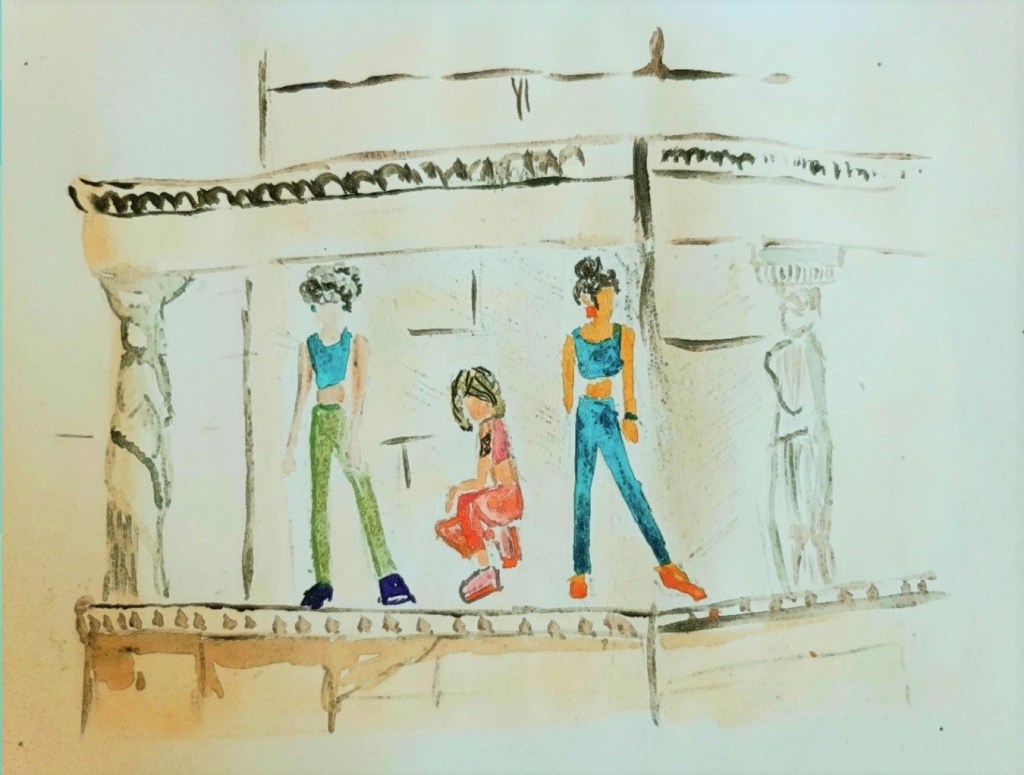
In the Iliad, Achilles (one of its main heroes) wonders, if this glory can be taken and given away so easily, by men and life and gods, what is the point in chasing it? Yet, our “strive for success” most of the time really is just a need to be indispensable in our community. With this in mind, there is plenty logic in wanting to be a winner. Still, it is good to remember that there are other healthier ways to reach this with less volatile outcomes.
No doubt we could achieve balance in our lives by valuing and including people less for their possessions and fan base and more for what they give back. Anyone who takes care of the environment and other people should be treasured in our beehives. Personally I like to think that I have other qualities than climbing rocks too. According to good friends, I am sincere in my interactions with them and can often bring them calm. Knowing that makes me happy in return. Finally, my writing is exactly such an attempt on being productive. If someone, someday finds comfort or inspiration in my thoughts, I will have fairly earned my kudos.
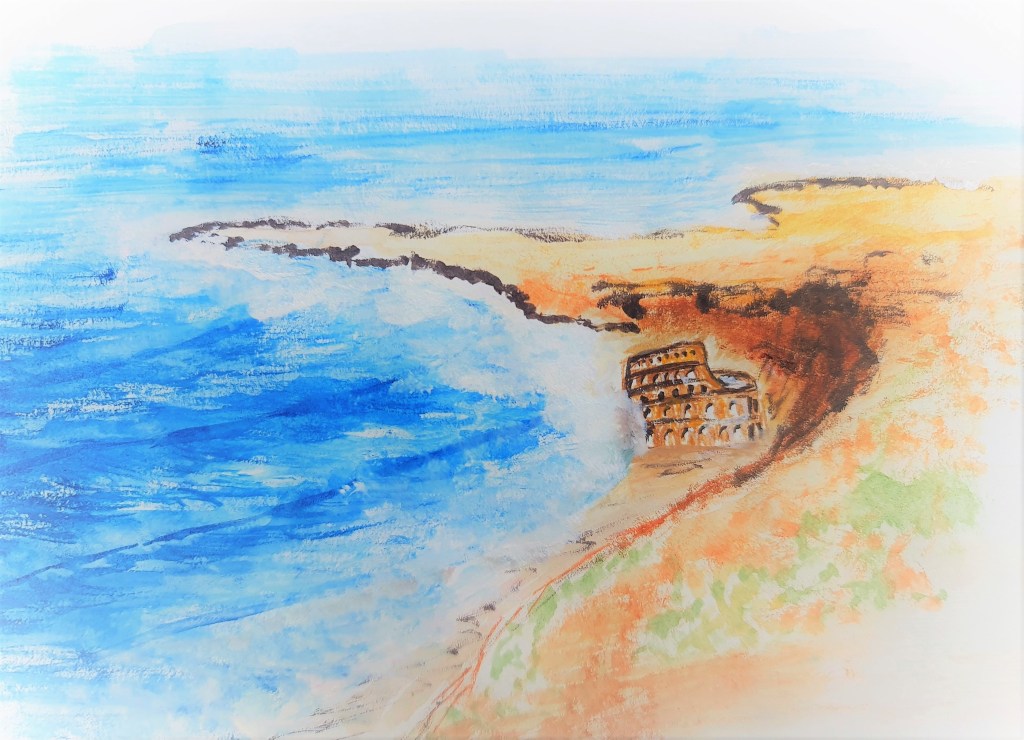
I finished writing this article late the other night, I was anxious to catch up on creativity once the Covid decided to release my mind, and as I went to sleep a vivid dream came to soothe me. I dreamt that I woke up on top of a steep cliff, beside me was another climber, still sleeping on the ground. Below a hot golden sea was reaching a cool turquoise one. On an enormous sandy beach enclosed by the overhanging rock stood a colossal amphitheatre. In silence, I was trying to take in my mind the scale of that scenery where ambitious human spirits tried to match nature in grandeur. I looked up at the burning star above. Soon, all this was going to be evened by the heavy heat of the day. A world was changing and I hoped that we were ready.
References:
The-Iliad-of-Homer, Elizabeth Vandiver, ©1999 The Teaching Company, LLC (P)1999 The Great Courses. On Audible.


![How to Focus and When to Chaos [Part II]](https://suzanaelmassri.blog/wp-content/uploads/2025/04/20230716_083613.jpg?w=1024)
![How to Focus and When to Chaos [Part I]](https://suzanaelmassri.blog/wp-content/uploads/2025/02/20250112_141419.jpg?w=1024)
 suzanaelmassri.blog
Leave a comment